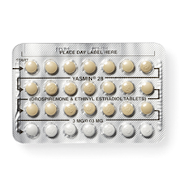
If you have high blood pressure, methods with estrogen—the combination pill, the ring, and the patch—may make your blood pressure even higher, increasing the risk of a heart attack or stroke. Fortunately, there are lots of highly effective birth control options that are safe and estrogen-free like the progestin-only pill, all types of IUD, the implant, and the shot. Talk to a health care provider about your blood pressure and what birth control is an option for you.
Birth control pill
What are good methods for women with high blood pressure?
Can I use the pill to control when I have my period?
Yes, you can. Whether you want to skip the occasional period for a special occasion or you want to stop your periods for a more extended length time, it’s safe and possible to use the pill to control your bleeding.
What can I do if taking the pill makes me nauseous?
Try this: If you want to stay on your current type of pill, you could try taking it at night. You could also try taking a different brand of pills.
Can birth control help with heavy painful periods?
If you have dysmenorrhea (the medical term for extremely painful periods), hormonal birth control can make a big difference. There are several hormonal methods that can help regulate your periods, decrease bleeding, or even make your periods go away completely. Options like the combination pill or the hormonal IUD are proven to reduce the level of pain and heaviness of your bleeding, basically making it easier for you to live your life when you have your period.
Want to learn more?
What can I do if I'm on the pill and breaking out with acne?
Most pills actually help with acne, so you could talk to a health care provider to see about switching to another kind of pill or a different birth control method altogether.
What should I do if my birth control changes my mood?
Everybody responds to birth control differently. If you feel like your hormonal birth control is changing your mood, it’s time to talk to your health care provider. It might be a matter of switching methods or deciding whether to avoid hormonal birth control altogether, or you may choose to wait it out since some negative side effects go away with time.
I heard that hormone-filled pee is killing our fish and harming the environment. Is taking hormonal birth control bad for our water?
The simple answer is: yes, hormones in birth control are getting into the environment through pee. But—and this is a big but—it is small compared to other sources of estrogen. Current research finds that the contribution of EE2 (the primary active ingredient in the pill, ring, and patch) to the total amount of estrogen in our waterways is small. Bigger—much bigger—sources of estrogen in the environment come from industrial and manufacturing processes, agricultural fertilizers and pesticides, the drugs we give livestock. and the waste and runoff produced by these sources. Avoiding birth control with estrogen hormones will not eliminate the environmental impacts of estrogenic compounds.
Can birth control help with endometriosis?
If you have endometriosis (a condition where tissue grows outside of your uterus instead of inside it), hormonal birth control can do wonders to lessen your symptoms. There are a bunch of hormonal methods that can help regulate your periods, decrease bleeding, or even make your period go away completely.
What are the best methods to use if I don't want to have my period?
The hormonal IUDs, shot, implant, and progestin-only pill have all been shown to overall reduce periods for most people. For some people, that means they don’t get a period at all, but for others it can cause bleeding when you aren’t expecting it even if you have less total bleeding.
You can use the pill or the ring continuously to intentionally skip your period altogether.
Heat up your weekends with our best sex tips and so much more.