Blame it on the pill (again)
Study alleges that the pill may cause prostate cancer—we remain unconvinced.

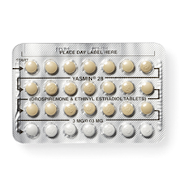
Another day, another study attempting to link the world’s ills to the birth control pill. Headlines are blaring news of a study, published in BMJ Open, that alleges that the pill may cause prostate cancer. In fact, as others have noted, what the study really shows is that rates of prostate cancer are higher in developed nations (where rates of pill use happen to be higher, too).
Men in developed countries have better access to health care and are more likely to be screened for the prostate cancer. They’re also more likely to live to a ripe old age, which is when prostate cancer tends to develop. Research has shown that the risk of developing prostate cancer increases with weight gain and with exposure to some nasty chemicals; on the other hand, the medical evidence that estrogen is linked with prostate cancer is still pretty weak. Even supposing that estrogen does elevate a man’s risk of prostate cancer, it’s still a big leap to say women taking the pill are a primary source of estrogen in the environment. A recent review of the types of estrogen found in drinking water in the US, Holland, and Germany concluded that cows and pesticides are more likely to blame.
Still, we can all have a moment of sympathy for the news outlets: a potential link between industrial farming practices and prostate cancer makes for a way less sexy headline.
How do you feel about this article?

You deserve access to birth control that fits your body, your life and your plans. Since 2011, Bedsider has been a trusted source of medically reviewed birth control information—covering every method available in the U.S. with guides, real user reviews, side-by-side comparisons, and a clinic search to help you find care near you or online.
Related methods
Dive in and learn all the details about these related birth control methods.

Heat up your weekends with our best sex tips and so much more.