Why you probably shouldn't worry about the pill and strokes
The real deal behind the scary headlines connecting birth control pills to stroke risk.

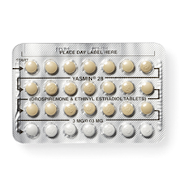
Strokes are rare among young people—so rare that few studies collect information about people under age 45 who have one. A new study looked at data from 24 studies of young women to learn more about these rare occurrences and found a link between strokes and certain kinds of birth control pills. Here’s why we hope you won’t let that worry you.
The real deal
Basically there are two reasons why this isn’t as scary as it may sound:
1) The risk of a stroke for a young woman is so rare that an increased risk is still a really low risk. Plus, the study specifically found a higher risk of strokes among women using pills with 50 micrograms of estrogen. There are only two brands of the pill sold in the U.S. with that much estrogen—Ovral and Ogestrel. Only about 2% of women in the U.S. who use the pill use one of these brands, so the scariest findings from the study don’t apply to the vast majority of pill users.
2) The study didn’t account for things like smoking, weight, diabetes, high blood pressure, or a family history of stroke. All these things are known risk factors that may be more important than what type of birth control a woman uses. We don’t know how they factor into the results of this study.
Don’t worry; do take precautions
If you’re among the 2% of pill users whose pill contains 50 micrograms of estrogen and you’re worried about the risk of strokes, the best thing to do is talk to your health care provider about your concerns. Your provider can help you consider other birth control options, including pills with a lower dose of estrogen.
Like other research has shown for blood clots and the pill, if you have a family history of stroke, that may be one of the most important risk factors. So make sure you talk to your health care provider about anyone in your family who has had a stroke or a blood clot. If it turns out that you’re not a good candidate for the pill, there’s still no need to worry. Fortunately there are plenty of safe, estrogen-free birth control options you can use, like the IUD, the implant, or the progestin-only pill.
How do you feel about this article?

You deserve access to birth control that fits your body, your life and your plans. Since 2011, Bedsider has been a trusted source of medically reviewed birth control information—covering every method available in the U.S. with guides, real user reviews, side-by-side comparisons, and a clinic search to help you find care near you or online.
Related methods
Dive in and learn all the details about these related birth control methods.

Heat up your weekends with our best sex tips and so much more.