Thinking about an IUD or an implant? Go for it
If you’ve been on the fence about trying long-acting birth control, there’s no time like the present.

UPDATE: President Biden has opened the enrollment period for the Affordable Care Act health insurance plans for 2022. You can now enroll in one of these plans until January 15, 2022, at healthcare.gov. Some states have their own open enrollment periods and websites for signing up. Check to see if your state does. We also have more information about how to get insurance and learn what kinds of plans to watch out for.
—
In the past few days, there’s been a lot of talk in the news and on social media about getting ahold of long-acting birth control ASAP. What’s the rush?
Under the Affordable Care Act (ACA, a.k.a. ObamaCare), health insurance plans are required to cover all forms of birth control without copays or deductibles (i.e. $0 out of pocket). This part of the law is based on what the U.S. Department of Health and Human Services (HHS) considers women’s preventive care, so it’s possible that a new administration could have a different view about what should be included.
Full coverage of birth control has already done a lot of good, so hopefully it’s not going anywhere. But if you’ve been thinking about upgrading your method and want to be sure it’ll be covered by your insurance, it’s never a bad time to get some good birth control.
Long-lasting, worry-free pregnancy prevention
If you want super effective birth control that can last for years with very little maintenance, you have two solid options: the IUD and the implant. Both these methods are more than 99% effective and can be removed (by a health care provider) anytime.
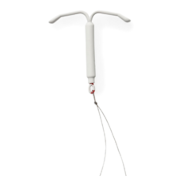
The IUD is a small T-shaped device that goes in your uterus. Some IUDs are hormonal, and those can be effective for 3-6 years depending on what kind you get. There’s also a non-hormonal IUD which can last up to 12 years.
The implant is a tiny rod that goes in your arm and prevents pregnancy for up to 5 years. It works by releasing a progestin hormone.
Both of these methods should currently be covered by health insurance without a copays or deductibles. You can get either method by visiting a health care provider near you.
If you don’t have health insurance, now’s the time to explore your options: open enrollment for 2018 goes from now until December 15th. You can sign up by visiting HealthCare.gov.
How do you feel about this article?

You deserve access to birth control that fits your body, your life and your plans. Since 2011, Bedsider has been a trusted source of medically reviewed birth control information—covering every method available in the U.S. with guides, real user reviews, side-by-side comparisons, and a clinic search to help you find care near you or online.
Related methods
Dive in and learn all the details about these related birth control methods.


Heat up your weekends with our best sex tips and so much more.