The truth behind those IUD horror stories
What those scary IUD insertion videos leave out

It’s spooky season, which means your feed is extra haunted. But somewhere between the pumpkin spice content and the true crime deep dives, there’s a very specific kind of scary story that sticks out to us: the IUD (intrauterine device) insertion horror story. Someone describes the worst cramps of their life, or an IUD that ended up somewhere it shouldn’t. Then the comments fill up with “this is why I’ll never get an IUD.”
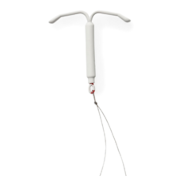
An IUD insertion is the in-office procedure where an IUD is placed in your uterus. It’s totally normal to feel nervous about any kind of health care visit. If you’ve seen some IUD insertion horror stories online, just keep in mind that one person’s reel reflects that specific person’s experience. Someone else’s story won’t ever be exactly the same as yours.
Are IUD insertion horror stories real?
There are a lot of intense IUD insertion stories out there, and yes, a lot of them are real and valid. IUD insertions can hurt more than some people expect. And there’s a long history of gynecological pain being ignored or dismissed.
If that’s a concern of yours, you and your health care provider can talk about how to prevent pain, or at least make it better, when you get your IUD inserted. There are a few pain management options, including over-the-counter pain relief, numbing medication that goes right on your cervix, and even sedation.
If complications from an IUD insertion are concerning for you and maybe holding you back from getting one, that’s fair. It is true that complications can happen sometimes, but they are much rarer than your feed would make you believe. Think about all the positive IUD experiences people have that don’t end up on a reel.
If you want more than one person’s take, Bedsider’s IUD reviews show how different getting an IUD can be.
Does getting an IUD hurt?
Getting an IUD can hurt, and for some people it hurts a lot. Some people feel mild cramping during insertion while others feel intense pain. You don’t have to grit your teeth through it, though. Ask your provider before your appointment what your options are for IUD pain and comfort. You might also have some cramping the first few weeks after you get the IUD. Over the counter meds like ibuprofen or naproxen sodium can help a lot. After those first few weeks, you shouldn’t be able to feel it at all.
This guide to managing pain during IUD placement walks through your options and how to advocate for yourself.
Remember that these are all personal experiences, and that the algorithm loves to share dramatic stories over the thousands of everyday people who have an IUD and it works great for them. Birth control is personal, and having a variety of options allows you to pick the method that is right for you, regardless of what the algorithm says.
How common are serious IUD complications?
These are three IUD complications that show up most in IUD horror stories. Serious IUD complications like perforation and pelvic inflammatory disease (PID) are rare and happen to fewer than one out of 100 people who use them. IUD expulsion is a less serious complication (even if it seems scary) that happens to about one in 20 people.
Can an IUD make you infertile?
No, an IUD cannot make you infertile. Large studies show no link between using an IUD and having trouble getting pregnant later. It might keep popping up on social media because “I can’t get pregnant and I think it was my IUD” makes a gripping video.
When you’re ready to try for a pregnancy, a provider can take the IUD out. (Some people like to try to take them out at home.) Once the IUD is removed, you can try for pregnancy right away. About eight out of ten people who are trying to get pregnant become pregnant within 12 months after removing their IUD, which is about the same as for people who never used birth control.
How do you process a scary IUD insertion story?
Next time one of these pops up on your feed, here’s what to do:
Step 1: First, check the source. Is a person purposefully trying to spread disinformation? Or is it just one person sharing a personal story that might spread some misinformation? Take a look at the numbers to see if what you saw adds up.
Step 2: Pin down what scared you. Was it the IUD side effects, pain, fertility, or something going wrong?
Step 3: Bring that worry to your provider so they can answer it directly.
Step 4: Ask about pain control before the day of your appointment so there’s a plan in place.
How do you feel about this article?

You deserve access to birth control that fits your body, your life and your plans. Since 2011, Bedsider has been a trusted source of medically reviewed birth control information—covering every method available in the U.S. with guides, real user reviews, side-by-side comparisons, and a clinic search to help you find care near you or online.
Related methods
Dive in and learn all the details about these related birth control methods.

Heat up your weekends with our best sex tips and so much more.