Period pain? Birth control can help!
Hormonal birth control is one of the best ways to manage painful periods
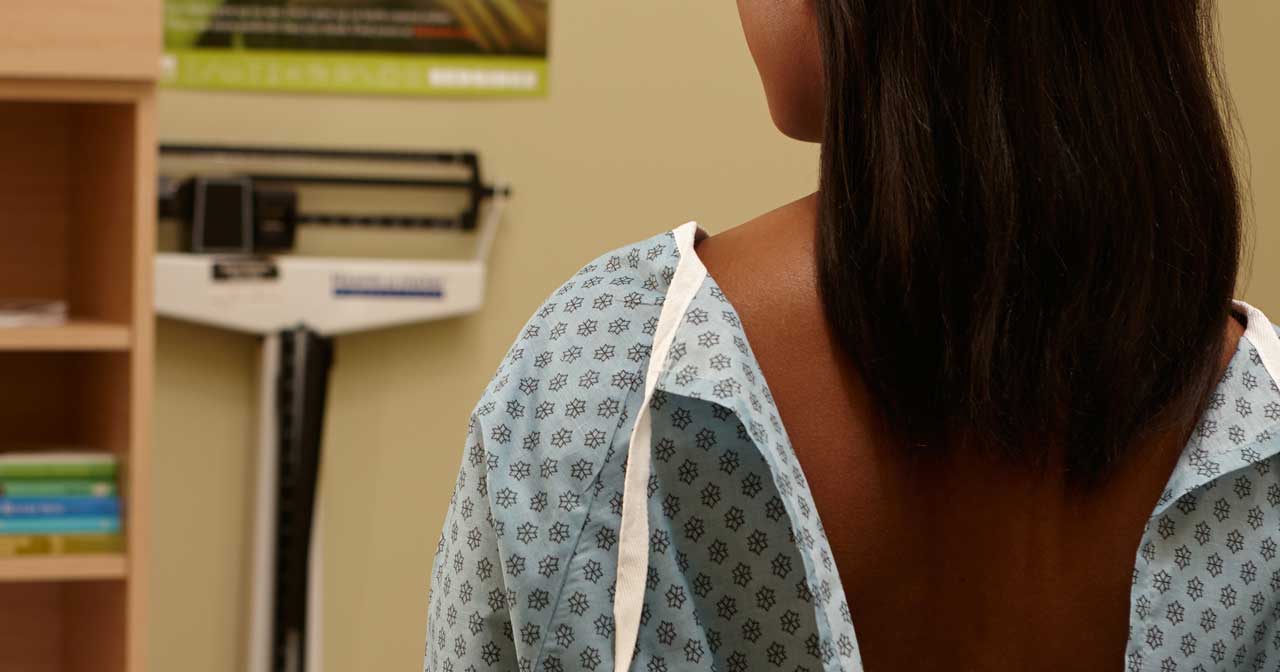
Having a painful period can mess up your day, or week—or weeks! Every period is different and the same person’s periods are often different over time. So how do you know if the pain you have with your period is normal? And what can you do to make your periods less painful?
Is it normal to have really painful periods?
It’s normal to have some cramping, bloating, nausea, or diarrhea before your period starts each cycle. These symptoms can continue for a few days after your period starts, and they can be annoying.
Here’s what’s less common:
- Moderate to severe cramps or lower belly pain with every period.
- Periods so bad that they interfere with work, school, or life in general.
What does it mean if I have painful periods?
Periods like this may be dysmenorrhea—a fancy medical term for pain with periods. There are several possible causes of severe period pain, some of which have special treatment options.
- The cells from the lining of the uterus may be growing into the muscles of the uterus (adenomyosis) or on other organs in the body (endometriosis).
- The muscle of the uterus may be growing fibroids.
- The uterus may be releasing too much of a substance called prostaglandins, causing its muscles to contract more than usual, leading to big-time pain.
The good news is that you don’t have to put up with this pain. You can talk to your health care provider about what might be causing the pain and how to treat it. There are a few things you can do to make your periods less painful, shorter, or go away altogether.
What can I do for really painful periods?
1. Make your periods less painful. You can buy pain killers like ibuprofen (Advil or Motrin) or naproxen (Aleve) at the drug store. Start taking them right when you first start feeling symptoms, or if your cycle is really regular, take them just before you expect your period. If this doesn’t work for you, talk to a health care provider because there are other medications they can prescribe for pain.
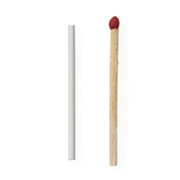
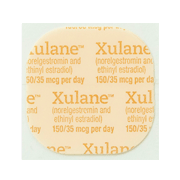
2. Make your periods lighter. All types of hormonal birth control are even better at reducing pain than over-the-counter meds. The hormonal IUD, the implant, the shot, the pill, the patch, and the ring will all make periods lighter. This is because these methods of birth control make the lining of the uterus thinner. There’s less tissue in the uterus to shed, so periods are lighter. One special note on the implant and the shot: for some people, these methods cause more days of spotting or bleeding, but periods become lighter and less painful overall.
3. Have fewer periods. The ultimate solution may be to have as few periods as possible. Several methods of birth control can make periods go away for months or even years at a time:
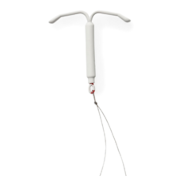
- One of the best ways to treat painful periods is to get the hormonal IUD Mirena. This IUD makes periods lighter and shorter for nearly all people, and many stop getting periods even after one year of use. The chance that you’ll stop getting your period increases the longer you use it. Periods should be light or nonexistent as long as you use a Mirena—up to 8 years. (Of course you don’t have to use it for all 8 years—you can have it removed anytime you want to. Your ability to get pregnant returns right after it’s removed.)
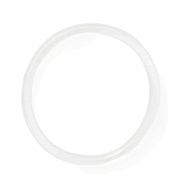
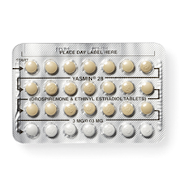
- You can use the pill or the ring continuously. Some brands of the pill are packaged for 3 months of continuous use. This means you don’t have a period. But you can skip periods with any brand by starting a new pack of active pills instead of taking the week of placebo pills. (Here are more details on how to use the pill this way.) With the ring, you would insert a new ring instead of taking the usual week-long break. There is also a yearly ring that can be left in with no breaks so you can skip periods.
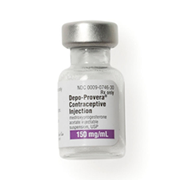
- You can try the shot, which causes about half of women to stop getting periods after a year of use.
When hormonal birth control stops your period, it’s because the lining of the uterus gets so thin that there’s nothing to shed. It’s totally safe to skip periods this way, so if you suffer from serious period pain, talk to your provider about what you can do about it.
How do you feel about this article?

Vaginal health and periods are part of your everyday life—not something to be stigmatized or whispered about. Bedsider’s OB-GYNs and reproductive health specialists create and review reliable, evidence-based content that’s body-positive, fact-checked, and judgment-free.
Related methods
Dive in and learn all the details about these related birth control methods.

Heat up your weekends with our best sex tips and so much more.